

Managing a commercial facility is a complex, multifaceted undertaking that requires constant vigilance, strategic planning, and a deep understanding of structural and mechanical systems. For property managers, facility owners, and business operators, the transition from a reactive maintenance mindset—fixing things only when they break—to a proactive strategy is a fundamental business imperative. Reactive maintenance often leads to compounding costs. A small, unnoticed leak can evolve into catastrophic structural damage, while a neglected mechanical component can halt operations entirely, costing a business thousands of dollars in emergency repairs and unplanned operational downtime.
Beyond the immediate financial implications, the condition of your building serves as the physical embodiment of your brand. First impressions matter immensely. When clients, tenants, or customers approach a property, the exterior appearance directly impacts their perception of your professionalism and reliability. Faded facades, crumbling asphalt, and poorly maintained entryways erode customer trust before they even step through the door. Conversely, a meticulously maintained exterior telegraphs competence, stability, and care.
Furthermore, facility upkeep is deeply intertwined with safety and legal compliance. Neglecting interior and exterior maintenance can expose business owners to severe liabilities, ranging from workplace injuries caused by malfunctioning equipment to fines levied for building code violations. Health and safety regulations require specific standards to be met consistently, making maintenance a non-negotiable aspect of operational risk management.
This comprehensive guide serves as your roadmap to mastering facility upkeep. We will explore actionable, in-depth strategies covering every aspect of your property. From fortifying your structural exterior defenses against the elements to optimizing crucial interior utilities for maximum efficiency, the following sections will equip you with the knowledge necessary to protect your investment, ensure compliance, and create a safe, welcoming environment for everyone who interacts with your building.
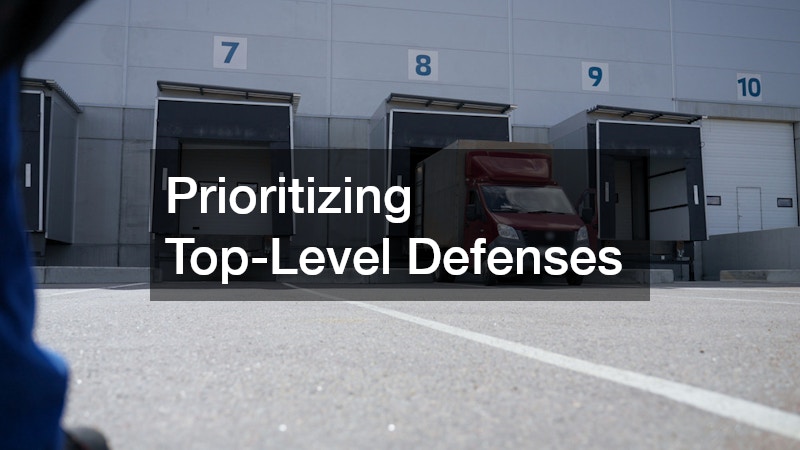
Prioritizing Top-Level Defenses
The roof of any commercial building is its primary shield against the elements, yet it is often the most neglected structural component until a major failure occurs. Flat and low-slope roofs, which are standard in commercial architecture, require highly specific maintenance protocols due to their unique drainage dynamics and susceptibility to environmental degradation.
Conducting biannual inspections—ideally in the late spring and early autumn—is the cornerstone of effective overhead maintenance. During these walkthroughs, facility managers must look for two critical warning signs: pooling water and blistering. Pooling, or ponding water, occurs when the roof’s drainage system fails or the insulation beneath the membrane compresses, creating a depression. According to industry standards, water that remains on a roof for more than 48 hours after precipitation is considered ponding. This standing water acts as a magnifying glass for UV rays, accelerating the breakdown of membrane materials like TPO, EPDM, or modified bitumen. Furthermore, the sheer weight of standing water places immense stress on the structural deck. Blistering occurs when moisture or air becomes trapped between the layers of the roof membrane. As the sun heats the surface, the trapped gas expands, creating bubbles that weaken the membrane and inevitably lead to punctures and leaks. Because navigating and assessing compromised membranes can be hazardous, building a relationship with a certified commercial roofer is essential to perform these specialized inspections safely and accurately.
Water diversion is equally critical to top-level defense. Scuppers, interior drains, and exterior gutters must be cleared of debris on a strict quarterly schedule, or more frequently if the building is surrounded by foliage.
Steps for Effective Drainage Maintenance:
-
Remove all visible debris, including leaves, branches, and wind-blown trash, from the immediate vicinity of drains.
-
Flush the drainage system with water to ensure unobstructed flow from the roof level down to the ground discharge point.
-
Inspect the drain strainers and clamping rings for rust or physical damage, replacing them if they are compromised.
-
Check the structural integrity of the gutters, ensuring they are securely fastened to the fascia and pitched correctly toward the downspouts.
Finally, the most vulnerable areas of any roof are the penetrations—the spots where HVAC units, skylights, plumbing vents, and gas lines break through the membrane. The flashing and penetration seals around these structures bear the brunt of thermal shock, expanding and contracting daily. Over time, sealants dry out, crack, and pull away from the metal or rubber boots. Auditing these seals before extreme weather seasons is vital. Setting up an annual assessment with a reputable commercial roofing company ensures that all flashing is meticulously inspected and resealed with industry-grade elastomers before winter freezes cause water to expand in existing cracks, or spring storms drive moisture into the building’s interior envelope.
Maintaining Critical Access and Loading Areas
The access points of a commercial facility, particularly loading docks and high-traffic entryways, endure relentless daily wear and tear. These zones are the lifeblood of supply chains and customer flow, making their uninterrupted operation vital to business continuity.
Loading docks feature heavy machinery that requires precise calibration. The overhead doors in these areas operate under massive tension and are subjected to constant vibrations, impacts, and exposure to exterior elements. Routine maintenance must focus on lubricating the tracks, hinges, and rollers using high-quality lithium or silicone-based sprays rather than standard penetrating oils, which can attract dust and grime. Moreover, the torsion springs that counterbalance the weight of these massive doors lose tension over time. When a spring fails, the door can become an immediate safety hazard, potentially crashing down with enough force to cause severe injury or property damage. Because adjusting these high-tension components is extremely dangerous, this task must be immediately routed to specialists in commercial garage door repair to prevent tragic workplace accidents and ensure the door’s motor does not burn out from overexertion.
The ground surfaces in loading zones and access areas also require constant vigilance. Concrete and asphalt take a beating from heavy delivery trucks, forklifts, and constant foot traffic.
Actionable Steps for Surface Maintenance:
-
Inspect asphalt surfaces for spiderweb cracking, which indicates sub-base failure. Fill small potholes immediately with cold-patch asphalt before water infiltration causes them to expand.
-
Reseal concrete loading pads every two to three years with a penetrating silane-siloxane sealer to prevent oil stains, water damage, and spalling.
-
Grind down or fill uneven concrete joints that create trip hazards or cause jarring impacts to forklift suspensions.
Main entry points face a different kind of stress. Constantly opening and closing doors degrade hinges, wear out weatherstripping, and compromise the structural integrity of door frames. Heavy-duty commercial hardware is designed to withstand millions of cycles, but only if properly maintained. Sagging doors not only create security vulnerabilities but also drag on thresholds, violating ADA (Americans with Disabilities Act) compliance standards regarding accessibility and required opening force. Upgrading worn-out automatic door sensors, reinforcing structural frames, and installing hydraulic door closers are complex tasks. Bringing in experienced commercial contractors is often necessary to ensure these entryways are retrofitted correctly, maintaining both security protocols and strict accessibility laws.
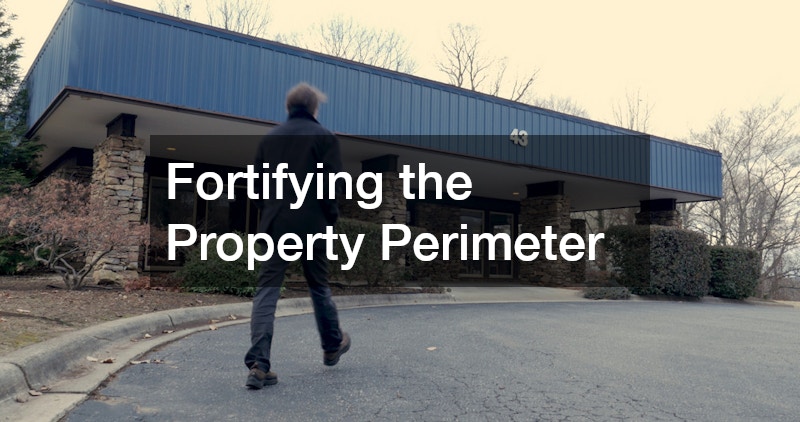
Fortifying the Property Perimeter
A building’s perimeter is its first line of physical security and a major component of its curb appeal. Fencing, gates, and landscaping must work in harmony to control access while presenting a clean, professional aesthetic.
Boundary materials deteriorate at different rates depending on their composition and the local climate. Wrought iron and steel enclosures are highly susceptible to rust, particularly near welds and joints. These require biennial wire-brushing to remove oxidation, followed by the application of rust-inhibiting primers and exterior-grade polyurethane paint. Wood enclosures must be treated with UV-resistant stains and water repellents to prevent rot, warping, and insect damage. Chain-link perimeters should be inspected for compromised tension wires and bent posts. If a property manager notices widespread deterioration along the boundary line, consulting with professional commercial fence companies is highly recommended. These professionals can identify which sections can be salvaged and repaired, offering a much more cost-effective solution than tearing down and replacing the entire property line.
Automated entryways and security gates require rigorous mechanical and electronic auditing. These heavy systems rely on precise alignment to function properly.
Monthly Perimeter Security Audit:
-
Test Photoelectric Sensors: Ensure the safety beams that prevent the gate from closing on vehicles or pedestrians are clean, aligned, and functional.
-
Inspect Hinge Alignments: Check for sagging. A gate that drops even half an inch can cause the locking mechanisms to misalign, rendering the security system useless.
-
Lubricate Drive Chains: Clean and lubricate the chains or internal gear tracks of sliding gates to prevent binding and reduce strain on the primary motor.
When mechanical arms sag or access control keypads begin to malfunction, the repair goes beyond simple maintenance. These components are directly tied into the facility’s overarching security and fire-alarm systems. Upgrading these networks or repairing complex gate operators is a highly specialized task. Relying on dedicated commercial gate installers ensures that the physical barriers communicate correctly with the building’s main security software, preventing unauthorized access or dangerous lockouts during emergencies.
Finally, perimeter maintenance extends to the surrounding landscaping. Overgrown trees and bushes can inadvertently compromise security. Foliage must be aggressively trimmed back from the building’s facade and perimeter fences to ensure it does not obstruct the field of view for surveillance cameras, interfere with motion sensors, or provide a physical bridge for intruders (or pests) to bypass security measures and access the roof.
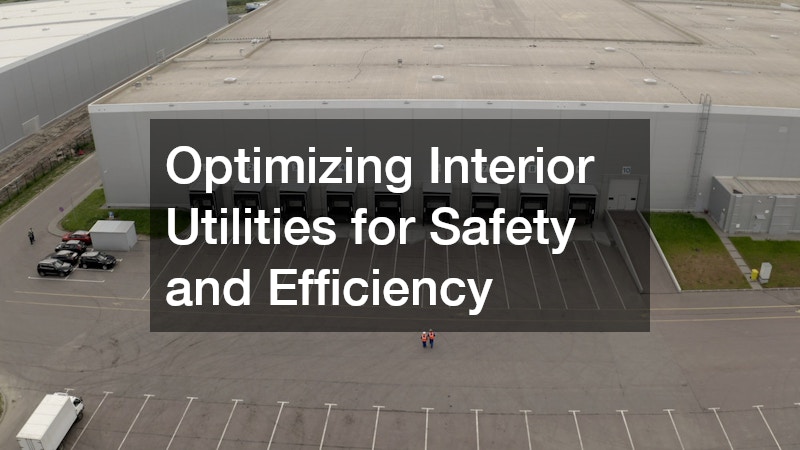
Optimizing Interior Utilities for Safety and Efficiency
While exterior maintenance protects the building from the outside world, optimizing interior utilities ensures the environment remains safe, habitable, and operationally efficient. Electrical, plumbing, and climate control systems are the nervous system of your facility.
Electrical maintenance is primarily about fire prevention and load management. Over time, the constant vibration of the building and the thermal expansion of wiring can cause connections within breaker panels to loosen. These loose connections, along with overloaded circuits, generate significant heat long before a breaker trips or a fire ignites. Performing annual thermal imaging (infrared thermography) on all main electrical panels is a proactive way to detect these hot spots. Furthermore, as businesses grow, they often add heavy machinery or expand server rooms without considering load balancing, leading to dangerous power imbalances. Because commercial electrical codes are exceedingly strict and the risk of electrocution or fire is high, any anomalies discovered during thermal scans require immediate intervention from licensed commercial electrical services to tighten connections and redistribute power loads safely.
Commercial plumbing systems handle a volume of waste and water far exceeding residential systems. Restrooms in large office buildings and kitchens in hospitality venues are particularly prone to severe blockages.
Preventative Plumbing Maintenance Strategies:
-
Implement a strict schedule for inspecting and pumping out grease traps, as grease buildup is the primary cause of catastrophic backups in food service environments.
-
Use environmentally safe enzymatic cleaners monthly to break down organic matter in high-capacity floor drains.
-
Check the water pressure regulators annually; excessively high pressure causes premature wear on pipe joints, valves, and fixtures.
To prevent localized flooding that can shut down entire floors, facility managers should establish a preventative jetting schedule with local commercial plumbing services. Hydro-jetting clear the mineral deposits and accumulated sludge that traditional snaking leaves behind, keeping the primary sewer lines operating at full capacity.
Finally, indoor air quality and temperature regulation dictate the comfort and productivity of the building’s occupants. Interior climate controls (HVAC systems) run nearly continuously. Replacing commercial-grade air filters on a monthly basis is the simplest and most effective way to improve air quality and reduce operational strain on the blower motors. Clogged filters force the HVAC system to work harder, dramatically spiking utility bills and shortening the lifespan of the equipment. Additionally, facility managers should calibrate thermostats and check ductwork for leaks annually to ensure conditioned air is being distributed efficiently throughout the workspace.
Health, Hygiene, and Long-Term Preventative Strategies
Maintaining a hygienic environment and planning for the long-term lifecycle of your building are the final pieces of the facility management puzzle. This requires a dual focus on immediate sanitation controls and comprehensive, long-term administrative planning.
A building’s structural integrity directly impacts its susceptibility to infestations. Micro-fissures in masonry, poorly sealed utility penetrations, and gaps beneath exterior doors serve as open invitations for rodents and insects.
Sanitation and Exclusion Best Practices:
-
Apply exterior-grade elastomeric sealants to any visible cracks in the foundation or brickwork.
-
Enforce strict waste management protocols, ensuring all dumpsters are equipped with tight-fitting lids and are positioned at least 50 feet away from the building’s main structure to draw pests away from entry points.
-
Eliminate standing water around the property to remove breeding grounds for mosquitoes and water sources for rodents.
Because commercial facilities provide ample shelter and food sources, exclusion tactics must be paired with active eradication strategies. Establishing quarterly barrier treatments with an expert in commercial pest control is vital for maintaining health code compliance, passing municipal inspections, and protecting the wellbeing of employees and customers from pest-borne pathogens.
To manage all the tasks outlined in this guide without becoming overwhelmed, facility managers must develop a master preventative maintenance (PM) schedule. Relying on memory or reactive requests is a guaranteed path to failure. A robust PM schedule should be digitized and utilized to track the expected lifespan of every major mechanical component, log the dates of routine vendor visits, and securely store equipment warranties.
By centralizing this data, property owners can accurately forecast capital expenditures for the upcoming year rather than being blindsided by sudden equipment failures. Strategic planning also allows for the consolidation of vendor contracts. For example, rolling your overhead canopy inspections, gutter clearing, and membrane repairs into comprehensive commercial roofing services contracts ensures that no structural vulnerabilities are missed from year to year, while often securing a better rate for bundled preventative care.
Conclusion
Successfully maintaining a commercial building is an ongoing, synchronized effort that requires balancing robust exterior defenses, highly functioning mechanical entryways, optimized interior utilities, and uncompromising sanitation standards. Transitioning from a reactive to a proactive maintenance strategy is the single most effective way to preserve the lifecycle of your property, protect your financial investment, and ensure the safety of everyone who walks through your doors.
The most critical lesson for property owners and facility managers is understanding the immense value of delegation. While handling maintenance tasks in-house might seem like a cost-saving measure initially, the complexity of commercial systems means that untrained eyes frequently overlook subtle warning signs. These overlooked issues inevitably compound into expensive, catastrophic failures. Building strategic partnerships with specialized, licensed professionals—from electricians to structural experts—yields the highest long-term return on investment, transferring liability off your shoulders and ensuring the work meets all regulatory codes.
Do not wait for a system failure to prompt your next facility assessment. Take action this week: conduct a comprehensive walkthrough of your property using the strategies outlined in this guide. Identify your most pressing maintenance blind spots, evaluate the current state of your building’s interior and exterior systems, and begin reaching out to the necessary professionals to secure the longevity and reputation of your commercial facility.