
Investing in industrial property can be a rewarding venture, but it requires careful planning, strategic execution, and a comprehensive understanding of the various components involved in construction, operations, and management. Success in this field relies not only on acquiring land or structures but also on optimizing the property through thoughtful design, modern technology, and efficient operational systems.
From the initial site preparation to the installation of essential infrastructure and the integration of advanced communication solutions, every step plays a pivotal role in maximizing return on investment. Professionals across multiple disciplines—including surveyors, construction teams, and business service providers—must collaborate to ensure a property meets both operational needs and future growth potential. Establishing a clear recovery plan in the first weeks after a crash can dramatically influence both physical outcomes and legal results.
Investors need to understand that industrial properties are not static assets. The market is constantly evolving, and properties that incorporate the latest operational technologies, flexible construction solutions, and efficient management services often outperform those that do not. Integrating these elements creates not only functional industrial spaces but also assets with long-term growth potential.
Assessing Industrial Property Potential
Before breaking ground, evaluating industrial property is crucial. Investors must consider location, zoning regulations, accessibility, and future development potential. A strategic assessment helps identify whether a property can support intended operations, such as warehousing, manufacturing, or distribution.
Engaging a professional surveyor during this stage is highly beneficial. Surveyors provide precise measurements, topographical assessments, and site evaluations that inform design and construction decisions. These insights help mitigate risks and ensure that any future construction, including commercial facilities or office containers, is built on a stable and legally compliant foundation.
Industrial properties with thoughtful layouts and flexible infrastructure allow investors to adapt spaces for a variety of uses. This adaptability often increases long-term value and makes properties more attractive to tenants or buyers. Investors should also consider proximity to transportation networks, utility access, and future zoning changes to ensure the property remains functional as industry needs evolve.
Excavation and Site Preparation
Once a property has been assessed, excavation and site preparation are the next critical steps. Proper excavation ensures that foundations are stable and capable of supporting the weight of structures and equipment. It also addresses drainage, soil stability, and other environmental considerations.
Excavation teams work closely with construction managers to align site preparation with the intended layout of the property. Proper grading and soil compaction reduce the risk of settling, erosion, and water damage. For industrial properties, these steps are especially important because they impact the durability of heavy-duty facilities and equipment installations.
Excavation also provides an opportunity to plan for infrastructure such as utilities, roadways, and access points. Anticipating these requirements during early site work can prevent costly modifications later in the construction process. Additionally, careful excavation planning allows for efficient placement of stormwater management systems, septic solutions, or underground electrical conduits, all of which contribute to operational efficiency.
Incorporating technology such as 3D site modeling during excavation can improve accuracy and reduce errors. These digital tools allow teams to simulate site conditions, identify potential challenges, and optimize excavation strategies.
Commercial Construction: Building for Efficiency
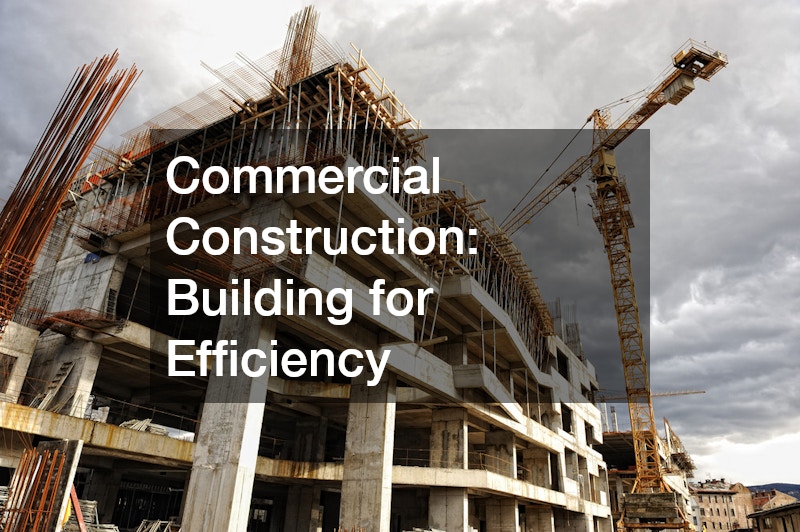
With the site prepared, commercial construction begins. This phase includes erecting structures such as warehouses, production facilities, and office spaces. Using modern construction techniques and materials ensures that the property is both functional and resilient.
Commercial construction teams often integrate modular solutions, including an office container for sale, which provide flexible and cost-effective workspace options. These units can be deployed quickly, customized to meet operational needs, and relocated if necessary. Their adaptability is particularly advantageous in industrial settings where requirements may evolve over time.
Efficiency in construction also involves coordinating the placement of key systems, such as HVAC, electrical, and plumbing. Early integration of these systems reduces delays and allows operations to commence smoothly once construction is complete. Advanced planning can also ensure that safety systems, fire suppression, and accessibility features are seamlessly incorporated into the building design.
During commercial construction, attention to energy efficiency and sustainable materials is increasingly important. Utilizing environmentally friendly insulation, LED lighting, and energy-efficient systems can reduce long-term operating costs and enhance the property’s marketability.
Industrial Dampers and Facility Optimization
Proper environmental control within industrial facilities is essential for operational efficiency and safety. Industrial dampers play a crucial role in regulating airflow, ventilation, and temperature. They ensure that spaces remain within optimal conditions for both personnel and equipment.
Installing industrial dampers during construction or retrofitting them in existing facilities can improve energy efficiency, reduce operational costs, and maintain compliance with industry standards. These components are especially important in manufacturing and warehousing settings where consistent air quality and temperature control impact productivity and product integrity.
Beyond basic airflow control, dampers contribute to environmental safety by preventing the buildup of dust, fumes, or combustible materials. This is particularly important in facilities handling chemicals, metals, or high-temperature equipment. Well-designed damper systems can also reduce wear on HVAC equipment, lowering maintenance costs and extending equipment lifespan.
Investors who prioritize facility optimization often see higher tenant satisfaction and lower long-term maintenance costs, enhancing the overall value of the industrial property. Advanced monitoring systems can further optimize damper performance by providing real-time data on airflow, temperature, and energy consumption.
Commercial Electric Water Heaters and Utility Planning
Reliable utilities are a cornerstone of industrial property operations. Commercial electric water heaters provide efficient hot water solutions for industrial and office facilities, ensuring that staff and operational processes have consistent access to necessary resources.
Incorporating these systems during construction or renovation allows for proper placement and integration with other utilities. It also simplifies maintenance and reduces the risk of service interruptions. For industrial properties with multiple tenants or large-scale operations, scalable water heating solutions can support growth without significant retrofitting.
Thoughtful utility planning, including the installation of commercial electric water heaters, demonstrates an investor’s commitment to operational efficiency and can positively influence property valuation. Utility planning should also consider redundancy and backup systems to minimize downtime in case of equipment failure.
Investors can further optimize utility systems by integrating smart controls that monitor energy usage, adjust temperature settings based on demand, and detect potential issues before they become costly problems.
Integrating Business VoIP for Modern Operations

Communication is vital in any industrial setting. Implementing business VoIP solutions streamlines internal coordination, improves response times, and supports connectivity across multiple locations.
For industrial property investors, integrating VoIP systems during construction or facility upgrades allows seamless communication between management, operations, and external stakeholders. It supports real-time collaboration, reduces telecommunication costs, and offers scalability as operations expand.
Modern industrial facilities increasingly rely on digital communication to manage logistics, monitor safety systems, and coordinate warehousing services. Business VoIP serves as a central platform that enhances operational efficiency and contributes to a well-managed property environment.
VoIP systems can also integrate with security and monitoring tools, allowing managers to oversee facility operations, respond to emergencies, and ensure compliance with safety protocols. This connectivity is especially valuable in multi-tenant industrial properties where communication must be centralized and reliable.
HR Services and Workforce Management
A successful industrial property operation requires skilled personnel, and efficient HR services are essential for recruitment, training, and workforce management. Partnering with professional HR service providers ensures that staffing needs align with operational requirements.
HR services support compliance with labor regulations, manage payroll, and provide training programs to enhance employee performance. In industrial properties with complex operations, including construction sites, warehouses, or production areas, effective workforce management can improve safety, reduce turnover, and increase productivity.
Integrating HR services with facility planning allows property managers to anticipate staffing needs during expansion or renovation, ensuring that human capital is in place to support operational goals. Proper workforce planning also includes emergency preparedness, cross-training employees, and monitoring employee well-being to reduce operational risk.
Warehousing Services and Logistics
Industrial properties often serve as logistics hubs, making warehousing services a critical component of operational efficiency. Strategically designed warehouses enable streamlined storage, retrieval, and distribution of goods.
Optimized warehousing services incorporate layout planning, shelving solutions, inventory management systems, and efficient workflow processes. Facilities that prioritize logistics and storage solutions can handle larger volumes, reduce operational bottlenecks, and improve turnaround times for clients and tenants.
Investors who enhance their properties with advanced warehousing capabilities increase market appeal. Such properties attract tenants seeking well-designed industrial spaces that support scalable and efficient operations. Modern warehousing solutions may include automated systems, temperature-controlled storage, and real-time inventory tracking to meet evolving industrial demands.
Surveyors: Ensuring Precision and Compliance
Throughout construction and property optimization, surveyors play a crucial role. They provide precise measurements, boundary verification, and topographical mapping that guide excavation, construction, and facility planning.
Surveyors ensure that industrial properties meet regulatory requirements, mitigate legal disputes, and reduce the risk of construction errors. Their expertise contributes to the accuracy of structural layouts, utility installations, and property improvements.
Engaging surveyors early and continuously throughout the project ensures that every development decision is informed, compliant, and aligned with long-term investment objectives. In addition, surveyors can assist with environmental assessments and property documentation that may enhance financing options or improve insurance terms.
Advanced Infrastructure for Industrial Efficiency
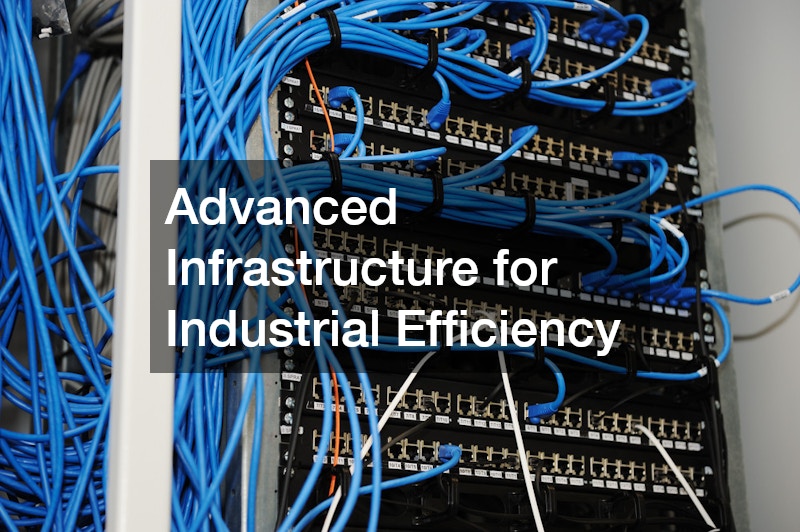
Beyond construction and basic utilities, industrial properties benefit from advanced infrastructure investments. Incorporating high-capacity electrical systems, climate control solutions, and efficient waste management contributes to operational success. These elements enhance productivity, reduce long-term maintenance costs, and support tenant satisfaction.
Planning for future growth is essential. Investors should consider modular expansions, scalable warehousing solutions, and adaptable an office container for sale to accommodate evolving operational requirements. This forward-thinking approach ensures that properties remain competitive and attractive in the industrial real estate market.
Maximizing Return on Investment
The cumulative effect of strategic excavation, commercial construction, facility optimization, and integrated services is an industrial property with high operational efficiency and market value. Investors who approach property development holistically, considering both physical infrastructure and support services, are better positioned to maximize returns.
From flexible office containers for sale to advanced industrial dampers, commercial electric water heaters, and business VoIP solutions, each investment enhances functionality and attractiveness. Supporting services such as HR and warehousing further solidify operational capabilities.
Maximizing ROI also involves forward-thinking strategies. Anticipating future growth, aligning facilities with emerging industry trends, and maintaining adaptability ensure that the property remains competitive and valuable in the long term. Properties designed with operational flexibility, technological integration, and comprehensive management solutions tend to outperform static facilities that lack adaptability.
The Benefits of an Integrated Approach

Industrial property development is not a single-step process. It requires collaboration between surveyors, construction teams, operational managers, and service providers. By integrating excavation, commercial construction, facility optimization, and administrative services, investors create cohesive and sustainable operations.
This approach reduces operational inefficiencies, minimizes unexpected costs, and supports smooth property management. Industrial properties that combine well-planned physical infrastructure with modern business systems, including business VoIP and HR services, are better equipped to support tenants, attract new clients, and remain profitable over time.
Integration also facilitates long-term maintenance planning, ensures regulatory compliance, and enhances operational safety. The combined effect of professional services and well-executed infrastructure planning is a property that maximizes both utility and investment value.
Strategic Planning for Long-Term Success
Maximizing industrial property investments requires a strategic, comprehensive approach. From excavation and site preparation to commercial construction, facility optimization, and warehousing services, every stage contributes to long-term operational success.
Incorporating advanced solutions such as industrial dampers, commercial electric water heaters, office containers for sale, and business VoIP systems ensures that properties are functional, efficient, and adaptable. Partnering with skilled surveyors and leveraging professional HR services further enhances productivity and compliance.
Industrial property investors who embrace an integrated, forward-looking strategy position themselves for sustained growth, higher returns, and competitive advantage in the evolving industrial market. By aligning infrastructure, technology, and human resources, industrial properties can reach their full potential, delivering lasting value for investors and tenants alike.
Forward-thinking industrial property management emphasizes adaptability, operational efficiency, and tenant satisfaction. By focusing on these elements, investors not only enhance property value but also create spaces that remain functional and profitable for years to come.