
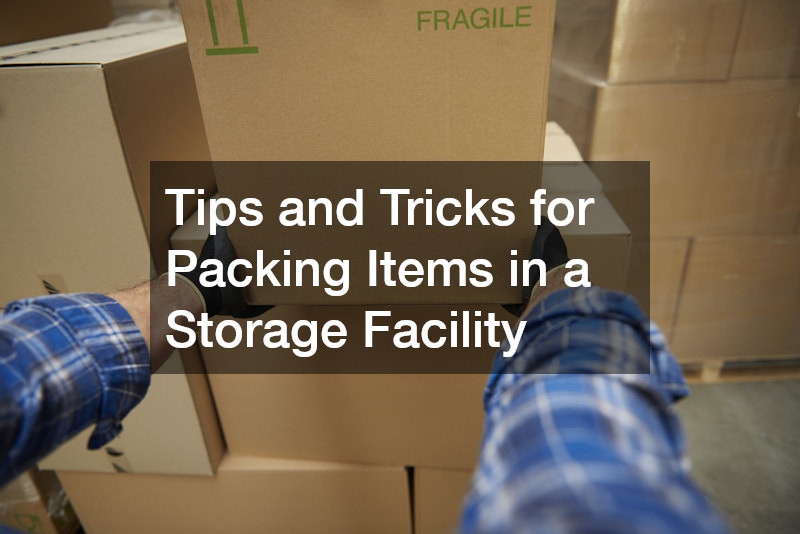

Packing items for a storage facility is more than just putting belongings into boxes and stacking them away. Proper packing protects your items from damage, makes retrieval easier, and helps you maximize the available space. Whether you’re storing household goods during a move, archiving business inventory, or decluttering your home, following smart packing strategies can save you time, money, and frustration. Below are practical tips and tricks to help you pack efficiently and safely for storage.
Choose the Right Storage Supplies
Using quality packing materials is the foundation of successful storage. Sturdy, uniform-sized boxes are easier to stack and less likely to collapse.
Avoid reusing weak or damaged boxes, especially for heavier items. Invest in packing tape, bubble wrap, packing paper, and stretch wrap to protect fragile or oddly shaped belongings. Plastic bins can be especially useful for items that may be sensitive to moisture, such as clothing, documents, or electronics.
Sort and Declutter Before Packing
Before you pack anything, take time to sort through your items. Decide what truly needs to go into storage and what can be donated, sold, or discarded. Storing unnecessary items wastes space and money. Group similar items together—kitchenware, books, seasonal decorations, or office supplies—so packing and later retrieval are more organized. Decluttering also makes it easier to create an inventory of what you’re storing.
Pack Items Strategically by Weight and Fragility
Always pack heavier items at the bottom of boxes and lighter items on top. This prevents crushing and keeps boxes balanced. Fragile items should be wrapped individually with bubble wrap or packing paper and placed snugly in boxes with cushioning on all sides. Fill empty spaces to prevent shifting during transport. Clearly mark boxes containing fragile items so they receive extra care when being moved and stacked.
Label Everything Clearly and Consistently
Labeling is one of the most overlooked but essential packing tips. Every box should be labeled on multiple sides with its contents and, if applicable, the room it belongs to. Consider numbering boxes and keeping a simple inventory list that matches those numbers. This system makes it much easier to find specific items without opening multiple boxes, saving time and reducing the risk of damage.
Disassemble Large Furniture When Possible
Large furniture items take up significant space if left fully assembled. Disassemble beds, tables, shelving units, and desks whenever possible. Keep screws, bolts, and small hardware in labeled plastic bags and tape them securely to the corresponding furniture piece. Wrap furniture with moving blankets or stretch wrap to protect surfaces from scratches, dents, and dust while in storage.
Protect Items From Moisture and Dust
Storage facilities can experience temperature changes and humidity, even in well-maintained units. Protect your belongings by placing items on pallets or shelves rather than directly on the floor. Use moisture absorbers or silica gel packets for sensitive items. Cover furniture and mattresses with breathable covers instead of plastic, which can trap moisture and lead to mildew.
Maximize Vertical Space in the Unit
To make the most of your storage unit, think vertically. Stack boxes evenly, placing the heaviest and sturdiest ones at the bottom. Use shelving units to keep items organized and accessible. Leave a small aisle so you can reach items in the back without unpacking the entire unit. Smart stacking not only saves space but also improves safety and stability.
Store Frequently Needed Items Near the Front
If you anticipate needing access to certain items, pack and place them near the front of the unit. Seasonal items, important documents, or tools you may need periodically should be easy to reach. Clearly label these boxes and avoid burying them behind large furniture or stacks of heavy boxes.
Avoid Common Packing Mistakes
Resist the urge to overpack boxes, as they can become too heavy to lift safely and more likely to break. Don’t store perishable items, flammable materials, or anything prohibited by the storage facility. Avoid using newspaper directly on delicate items, as the ink can transfer. Taking a little extra time to pack correctly can prevent costly damage later.
Plan Ahead for a Stress-Free Storage Experience
Effective packing is all about planning and organization. By using the right supplies, labeling carefully, and arranging items thoughtfully, you can ensure your belongings remain safe and accessible throughout their time in storage. A well-packed storage unit not only protects your items but also gives you peace of mind, knowing everything will be easy to find when you need it again.